Mediterranean Islands: Spanish Balearic Islands, Islands off of Italy
A vacation in one of the beautiful mediterranean islands of Spain or Italy is definetely a good idea for summer. While Mallorca and Ibiza often steal the spotlight in Spain’s Balearic islands, and Sicily and Sardinia are the most famous islands off of Italy, this guide is going to explore the lesser-known gems that offer authentic Mediterranean experiences.
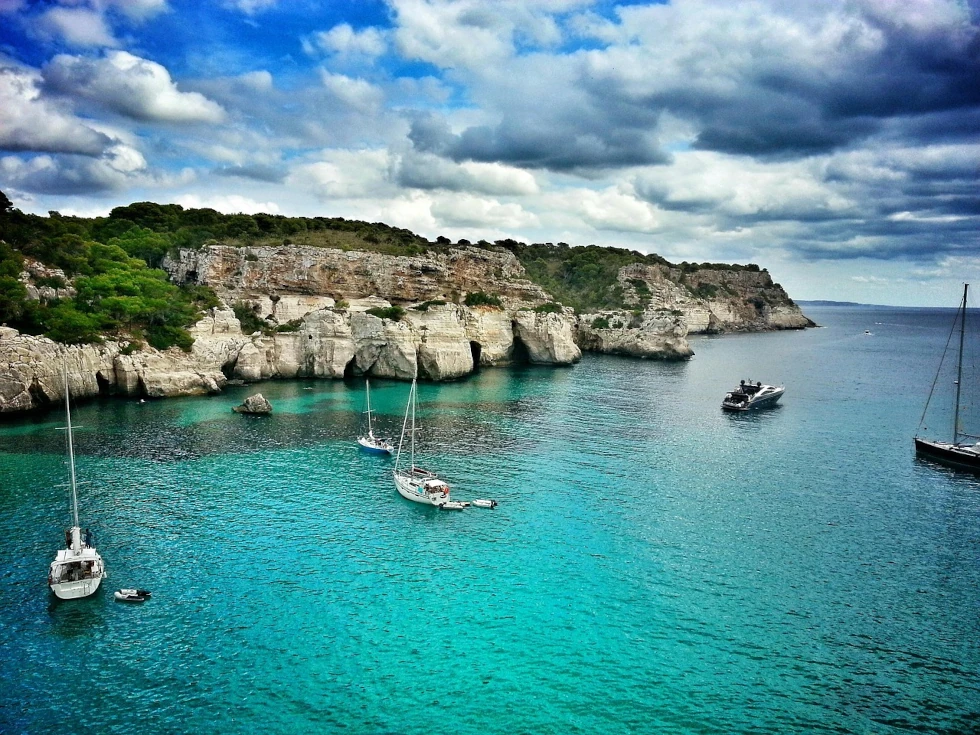
Table of Contents
Spanish Balearic Islands
Menorca
Often overshadowed by its flashier Balearic siblings like Ibiza and Mallorca, Menorca offers a serene and unspoiled escape that captivates those seeking a more relaxed and authentic Mediterranean experience.
Known for its crystal-clear turquoise waters and secluded coves, the island boasts some of the most pristine beaches in Europe, many of which are accessible only by foot or boat, adding to their untouched charm. In 1993, Menorca was designated a UNESCO Biosphere Reserve, a testament to its extraordinary commitment to preserving its diverse landscapes, rich biodiversity, and cultural heritage. Beyond the beaches, visitors can explore charming village, ancient monuments, and lush pine forests, all while enjoying a slower pace of life that reflects the island’s deep-rooted traditions and natural beauty.
How to get to Menorca
Fly directly to Mahón Airport from major European cities or take a ferry from Barcelona or Valencia (5-7 hours). Ferry connections from Mallorca take just 1-2 hours.
Best Time to Visit Menorca
The ideal time to visit Menorca is from May to June and again from September to October. During these months, the weather is warm and pleasant, with average temperatures hovering in the mid-20s°C (mid-70s°F), making it perfect for beach outings, hiking, and sightseeing without the intense heat or overwhelming summer crowds. These periods also offer a more authentic feel of the island, as many locals go about their daily lives without the hustle and bustle of peak tourism.
Menorca enjoys over 300 days of sunshine each year, making it a reliable destination for those chasing blue skies. Visiting outside of July and August not only means more space on the island’s stunning beaches and coves, but also better availability and prices for accommodations and flights. Whether you’re exploring the coastal trails of the Camí de Cavalls or savoring fresh seafood by the harbor, these months offer the best balance of tranquility, comfort, and natural beauty.
What to see in Menorca
Wander through the whitewashed streets of Binibeca Vell, a picturesque fishing village that feels like a step back in time. Its narrow alleys, charming architecture, and peaceful seaside setting make it an ideal spot for a leisurely stroll.
Outdoor enthusiasts will love hiking the Camí de Cavalls, a historic 185-kilometer trail that completely circles the island. Once used by soldiers on horseback to defend the coast, this ancient path now provides access to some of Menorca’s most breathtaking landscapes, from rugged cliffs to hidden beaches.
No visit is complete without spending time at Cala Macarelleta and Cala Mitjana, two of the most stunning and unspoiled beaches in Spain. With their powdery white sand and crystal-clear turquoise waters, these coves are ideal for swimming, sunbathing, or simply soaking in the natural beauty.
To top off your experience, head to Mahón and visit the traditional Xoriguer Gin Distillery, where you can sample Menorca’s unique take on gin. Made using a centuries-old recipe and infused with local botanicals, it’s a delicious way to toast the island’s rich heritage.
Formentera
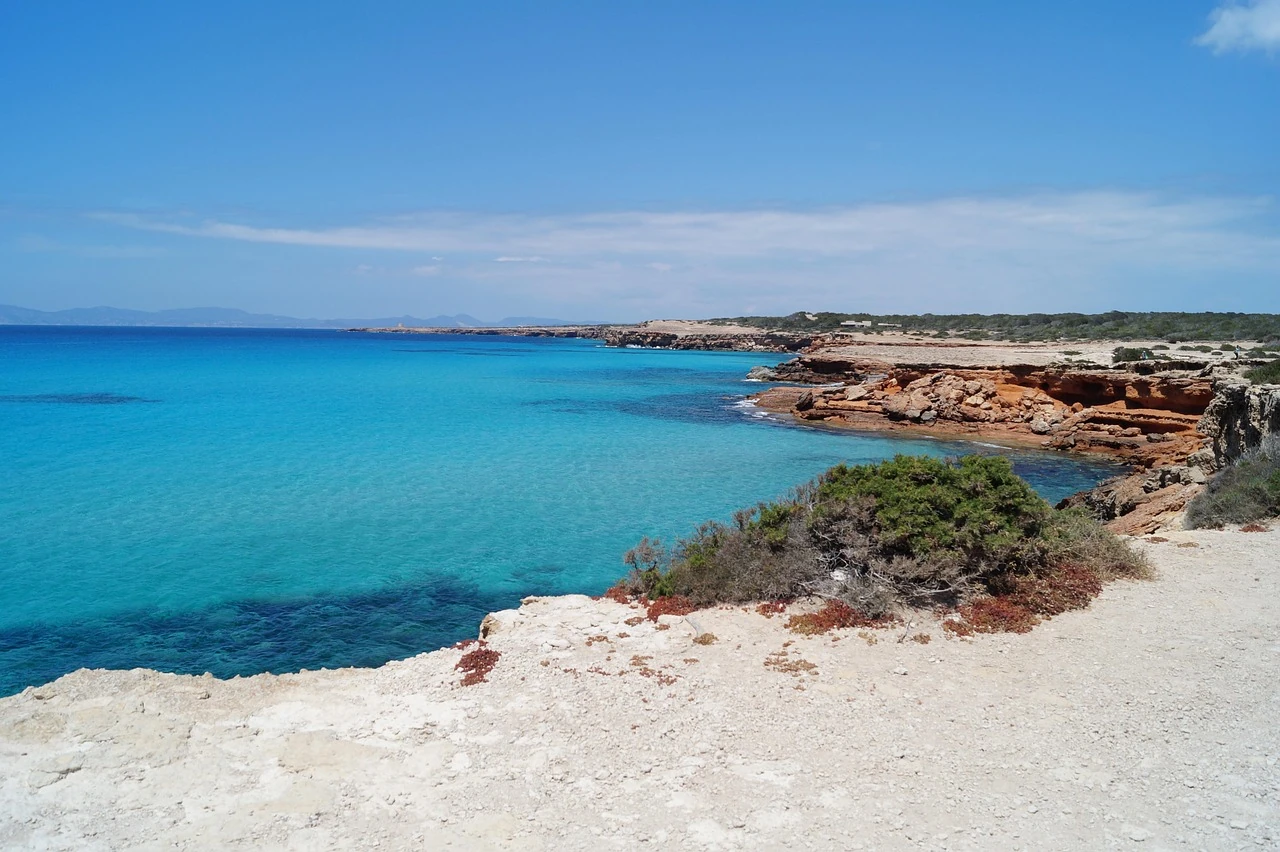
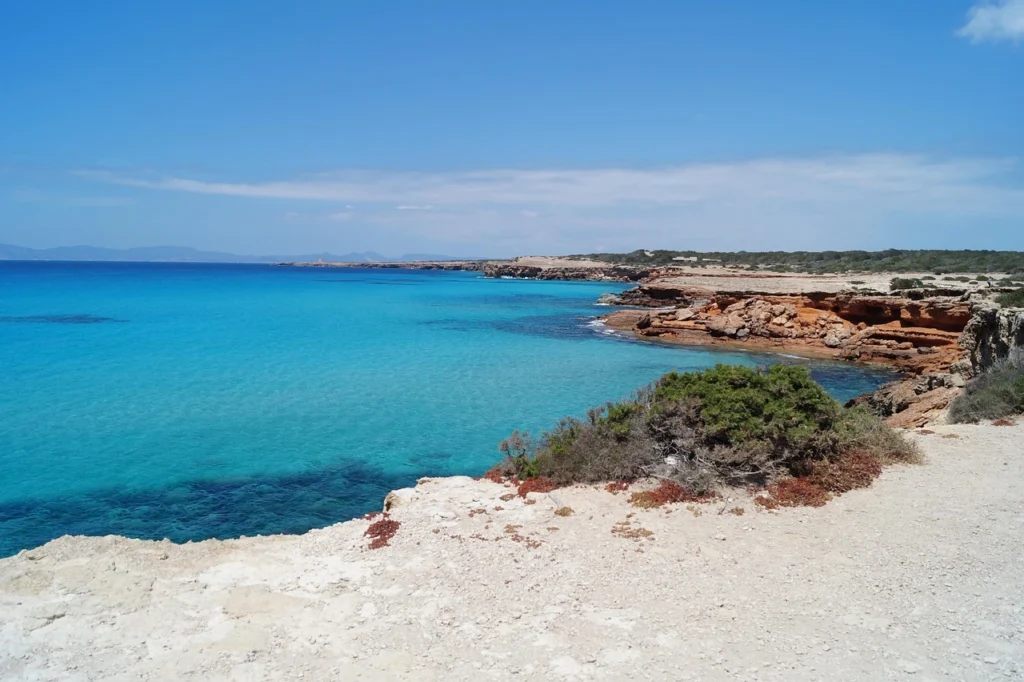
The smallest and most tranquil of the Balearic Islands, Formentera is often described as the Caribbean of the Mediterranean—and for good reason. With its powdery white sands, crystal-clear turquoise waters, and laid-back atmosphere, it offers a beach experience that rivals tropical destinations, all without leaving Europe. Accessible only by ferry from Ibiza, this destination has managed to preserve its natural beauty and bohemian charm, thanks in part to strict environmental protections and limited development.
Whether you’re lounging at the iconic Playa de Ses Illetes, cycling through salt flats and pine forests, or enjoying a seafood lunch at a beachside chiringuito, Formentera invites you to slow down and savor the simple pleasures of island life.
If you are looking for a more peaceful alternative destination to Ibiza then Formentera is the place for you.
How to get to Formentera
There is no airport on the island, but you can easily get there by taking a 30-minute ferry from Ibiza (multiple daily departures).
Best time to visit Formentera
If you are hoping to avoid huge crowds I would advice against visiting in July and August: not only the island gets extremely crowded, but you will also find very high temperature that are not always ideal.
September stands out as an especially appealing month—by then, the summer crowds have thinned, but the sea remains warm and inviting, thanks to the residual heat of the high season. It’s the perfect time for those looking to enjoy the island’s stunning beaches and clear waters in a more tranquil setting. Earlier in the season, May and June offer mild temperatures and blooming landscapes, ideal for cycling and outdoor activities, while October provides a final burst of warmth before the quieter off-season begins.
What to see in Formentera
One of the best ways to experience Formentera is by cycling across the island, which spans just 20 kilometers in length. With its flat terrain and well-maintained network of bike paths, getting around on two wheels is both easy and enjoyable, offering a sustainable way to soak in the island’s stunning landscapes at your own pace.
A must-see stop on any journey is the La Mola lighthouse, perched dramatically on cliffs at the island’s eastern tip. The views from this historic lighthouse are breathtaking, with the open sea stretching endlessly beyond, making it a perfect spot for contemplation or photography.
For a beach day, head to Playa de Ses Illetes, ranked among Europe’s best beaches. With its powder-fine sand and clear, shallow waters in shades of turquoise and sapphire, it’s the ideal place to relax, swim, or simply bask in the natural beauty.
As the day winds down, there’s no better way to end your visit than by watching the sunset at Cala Saona. With its reddish cliffs and serene cove facing west, it offers a magical view of the sun dipping into the sea, often with the silhouette of Ibiza visible on the horizon.
Mediterranean Islands off of Italy
The Aeolian Islands
Located just north of Sicily the Aeolian Islands are a stunning volcanic archipelago made up of seven main islands, each offering its own unique character, landscapes, and allure.
This UNESCO World Heritage site is a paradise for nature lovers, adventure seekers, and those looking to immerse themselves in a slower, more elemental rhythm of life.
From the smoking craters of Stromboli, one of the world’s most active volcanoes, to the elegant charm of Salina, known for its lush greenery and renowned Malvasia wine, the diversity across the islands is striking. Lipari, the largest and most accessible, serves as a bustling hub with a charming historic center, while Panarea attracts a chic, low-key crowd with its whitewashed houses and vibrant blue waters.
The islands are steeped in mythology and geological wonder, where visitors can hike along ancient lava flows, bathe in thermal springs, dive into crystal-clear seas, and enjoy fresh seafood under starry skies. Whether you’re exploring dramatic coastlines or simply soaking in the Mediterranean sun, the Aeolian Islands promise a travel experience that’s both raw and refined.
Where to stay in Aeolian Islands
I recommend finding an accomodation in Lipari, from here you will be able to move around the islands by boat and it’s also you will have good connections by ferry to Italy’s mainland.
Ferries and hydrofoils depart from Milazzo, Messina, and Palermo in Sicily, and Naples and Reggio Calabria on the mainland.
Best Time to Visit Aeolian Islands
The best time to visit the Aeolian Islands is during April to June and September to October, when the weather is warm and inviting, but the crowds are significantly thinner than in the peak summer months. During these periods, temperatures are typically mild—ideal for hiking the volcanic trails, sailing between islands, or simply enjoying a quiet beach day. Spring (April to June) brings blooming wildflowers and vibrant greenery, adding a fresh charm to the islands’ dramatic landscapes, while early autumn (September to October) offers warm seas, golden light, and a relaxed post-summer atmosphere, perfect for swimming, wine tasting, and exploring without the rush.
Visiting during these months also means better availability and pricing for accommodations and excursions.
What to see in the Aeolian Islands
One of the most unforgettable experiences in the Aeolian Islands is witnessing Stromboli’s volcanic eruptions, of course this requires a lot of luck as it’s not very frequent (the last eruption was in 2023). Known as the “Lighthouse of the Mediterranean,” this active volcano sometimes spews glowing lava into the night sky, creating a natural firework display that can be viewed from nearby boats or vantage points on the island.
In Lipari, the largest island of the archipelago, history lovers will find a treasure trove at the Archaeological Museum, located within the island’s ancient acropolis. The museum showcases millennia of Aeolian history, including Greek, Roman, and prehistoric artifacts, offering rich insight into the civilizations that once thrived here.
For a more immersive, elemental experience, head to Vulcano, where visitors can soak in therapeutic mud baths and sulfur springs. These naturally heated pools are famed for their mineral-rich waters, long believed to have healing properties for the skin and joints. The otherworldly landscape adds to the allure, with steam vents and rugged terrain giving the island an almost lunar feel.
Salina, with its verdant hills and fertile soil, stands out for its lush landscape and award-winning Malvasia wine. The island’s tranquil vibe and scenic hiking trails, especially the climb to Monte Fossa delle Felci, offer a refreshing contrast to the more volcanic neighbors. Don’t miss the chance to sip the sweet, aromatic Malvasia wine produced from grapes grown on sun-drenched terraces overlooking the sea.
Lastly, no trip to the Aeolians would be complete without a visit to Panarea, the smallest and most exclusive of the islands. Known for its chic, jet-set crowd and stylish boutiques, Panarea blends cosmopolitan flair with rustic charm. By day, the island is a quiet haven of whitewashed houses and hidden coves; by night, it transforms into a lively yet laid-back social scene, ideal for those seeking both beauty and buzz in equal measure.
Ischia
Often referred to as the “Green Island” due to its verdant landscapes and abundant vegetation, Ischia is a captivating destination in the Bay of Naples that combines natural beauty with rich history and wellness traditions. The island is renowned for its thermal springs, which have been drawing visitors since ancient Roman times. These healing waters bubble up from the island’s volcanic core and feed into natural pools, luxurious spas, and open-air thermal parks like Negombo and Poseidon Gardens, offering rejuvenation in scenic surroundings.
Ischia is also home to a variety of lush gardens, including the stunning La Mortella, a subtropical oasis created by British composer William Walton and his wife Susana. These gardens feature exotic plants, panoramic views, and serene paths that make for an unforgettable afternoon of exploration. Beyond its natural wonders, Ischia boasts a wealth of historic sites, from the dramatic Aragonese Castle, perched on a rocky islet connected by a bridge, to charming villages like Sant’Angelo, with its colorful houses, boutique-lined lanes, and serene beaches.
How to get to Ischia from Naples
Ferries and hydrofoils run regularly from Naples (about 1 hour) and Pozzuoli. You can easily get to Naples by plane or by high speed train and reach Ischia from there.
Best Time to Visit ischia
The ideal time to visit Ischia is during April to June and September to October, when the island reveals its most pleasant and peaceful side. During these months, the weather is warm but not overpoweringly hot, making it perfect for exploring the island’s natural hot springs, hiking trails, and historic sites without the discomfort of peak summer heat. Spring brings blooming flowers, green hillsides, and a sense of renewal, while early autumn offers warm sea temperatures ideal for swimming, along with golden light and a calmer atmosphere as the high-season crowds taper off.
Visiting during these periods also means better availability and more affordable rates for accommodations and spa treatments, as well as a chance to experience the island’s authentic charm without the hustle of peak tourist traffic. Whether you’re wandering through botanical gardens, enjoying a seaside meal, or taking a dip in a thermal pool, these months provide the perfect balance of comfort, tranquility, and natural beauty.
What to see in Ischia
One of the highlights of any visit to Ischia is soaking in its famous thermal parks, such as Negombo and Poseidon Gardens. These beautifully landscaped retreats offer a range of hot and cold pools fed by the island’s volcanic springs, set against lush greenery and sea views. Whether you’re looking to unwind in a quiet corner or enjoy hydrotherapy jets under the sun, these parks are perfect for relaxation and rejuvenation.
I also recommend visiting the beautiful Aragonese Castle, an impressive fortress perched on a volcanic islet connected to the main island by a stone bridge. Originally built in 474 BC and later fortified by the Aragonese in the 15th century, the castle offers panoramic views, ancient chapels, and a fascinating glimpse into the island’s layered history.
For a peaceful and scenic escape, visit the La Mortella Gardens, a spectacular botanical haven created by Susana Walton, the wife of British composer William Walton. The gardens are home to rare plants from around the world, tranquil water features, and shaded pathways that invite leisurely exploration, often accompanied by live classical music performances.
To round out your visit, spend time on some of Ischia’s most beautiful beaches. Maronti Beach offers a long stretch of sand ideal for sunbathing and swimming, while the Bay of Sorgeto is famous for its natural thermal springs that bubble up directly into the sea, creating warm pools where you can soak while watching the sunset.
Isola d’Elba
As the largest island in the Tuscan Archipelago, Isola d’Elba is a hidden gem that offers an extraordinary variety of landscapes within a compact and easily explorable area. From mountain peaks to golden beaches, the island is a paradise for nature lovers, history buffs, and outdoor enthusiasts alike. Inland, the rugged terrain is dominated by Monte Capanne, the island’s highest point, where panoramic views stretch across the Mediterranean and hiking trails wind through chestnut forests and granite cliffs. Along the coast, Elba reveals a completely different face, with crystal-clear waters, secluded coves, and charming fishing villages lining the shoreline.
Elba is also a haven for watersports, especially windsurfing, thanks to its favorable sea breezes and calm bays. Lacona Bay and Procchio are popular spots for both beginners and experienced windsurfers, offering steady winds and stunning surroundings that make gliding across the water an unforgettable experience.
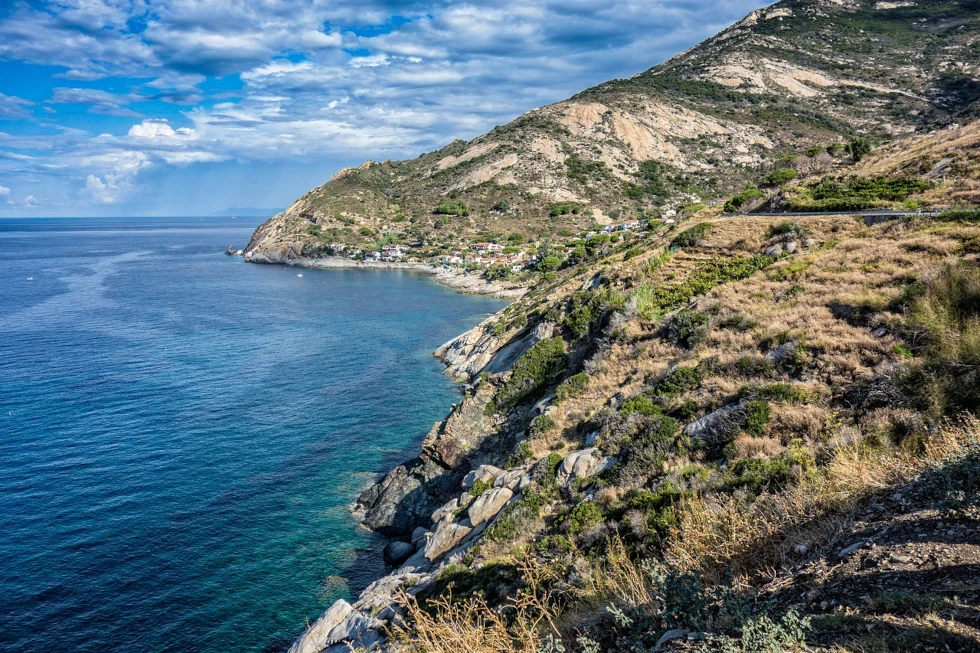
Beyond its natural beauty, Elba has a rich historical legacy, most famously as the place of Napoleon’s exile in 1814. Visitors can tour his former residence, Villa dei Mulini, and discover more about his brief but impactful time on the island. Whether you’re soaking up the sun on Spiaggia di Sansone, diving into the island’s vibrant marine life, or exploring hilltop villages with terracotta rooftops and local trattorias, Isola d’Elba offers an authentic and richly varied island escape in the heart of the Mediterranean.
How to get to Isola d’Elba
The easiest way to get to Isola d’Elba is via the ferries that depart from Piombino on the Italian mainland (1 hour). You could rent a car at the airport (for example in Florence) and it will be very convenient to move around the island.
Best Time to Visit isola D’elba
Once again it’s best to avoid the central summer months to visit this Island, it’s best to go in May to June and September, when the island enjoys pleasant temperatures, sunny skies, and warm seas, making it perfect for beach outings, hiking, and outdoor activities. In late spring, the island is especially beautiful, with blooming wildflowers, green hillsides, and lively local markets signaling the start of the season. It’s also a great time for exploring the island’s trails, mountain paths, and historical sites in comfortable conditions, even though it may be a bit cold for swimming.
September is equally appealing, offering warm water for swimming and snorkeling, mellow sunshine, and a more tranquil atmosphere as families and tourists begin to depart. Prices for accommodations often drop, and there’s a more relaxed, local rhythm to island life. Whether you’re lounging on a quiet beach, windsurfing in a peaceful bay, or enjoying fresh seafood at a harbor-side restaurant, these months offer the best blend of comfort, beauty, and serenity on Elba.
What to see in Isola D’Elba
If you like history you should visit the residences of Napoleon Bonaparte, who spent a brief but historically significant exile on the island in 1814. At the Villa dei Mulini in Portoferraio, perched above the sea, you can step into the former emperor’s world and view personal artifacts, period furnishings, and sweeping coastal views. A short drive inland takes you to his countryside retreat, Villa San Martino, where a grand neoclassical façade opens to rooms adorned with symbolic artwork and Napoleonic memorabilia.
Nature lovers and hikers will find their reward on Mount Capanne, the island’s highest peak. A challenging yet rewarding climb—or a scenic cable car ride—brings you to panoramic vistas that stretch across the Tuscan Archipelago and, on clear days, even as far as Corsica. The mountain’s granite slopes are dotted with wildflowers, chestnut trees, and occasional mouflon sightings.
Elba also has a rich wine culture, and tasting local varietals is a must. Try Aleatico passito, a sweet red dessert wine made from sun-dried grapes, or Ansonica, a crisp white that pairs beautifully with the island’s seafood. Many small wineries welcome visitors for tastings and tours, offering a glimpse into Elba’s agricultural traditions.
With over 70 beaches, Elba is a beach-hopper’s paradise. From the soft golden sands of Marina di Campo to the sparkling white pebbles of Sansone Beach, each cove and bay offers something unique. Whether you prefer hidden, rocky inlets perfect for snorkeling or long stretches of sand ideal for families, Elba’s diverse coastline invites endless exploration and relaxation.
These Mediterranean islands offer authentic experiences where time seems to slow down, allowing visitors to embrace the true meaning of “dolce far niente” (the sweetness of doing nothing) or the Spanish “siesta” culture. Whether you’re seeking active adventures or peaceful relaxation, these lesser-known Mediterranean gems deliver unforgettable experiences away from the usual tourist trail.