
Royal residences in Turin: Best Royal Palaces to see in Turin
As someone who has lived in this town for many years I am still quite in love with the beautiful royal residences in Turin. These historic palaces bear witness to its rich history and its role in the Duchy of Savoy, telling us a little about the splendor that once filled these rooms, so I collected some of the best Royal palaces to see in Turin to help you plan your visit.
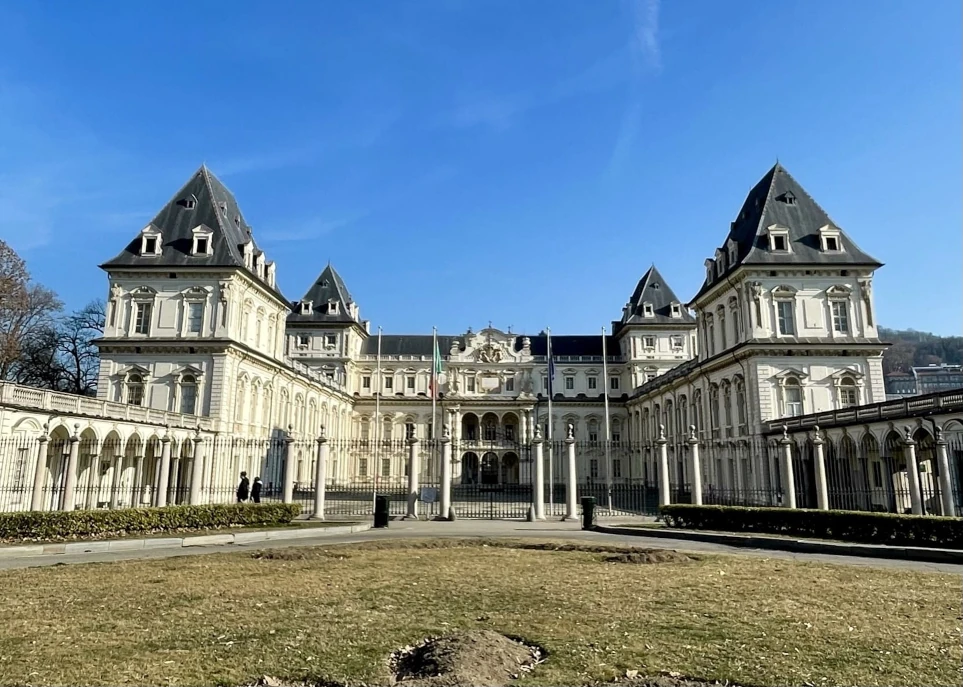
However, it’s not just the royal residences that form part of the city’s architectural heritage. Numerous historical palaces of incredible beauty can be seen throughout the city, though normally we must content ourselves with viewing them from the outside. On certain special days, however, we can access and visit their interiors, thanks to the organization of the Open House Turin event, which this year (2025) takes place on the weekend of June 7-8. The event is free, but be careful – you must register in advance! You can find all the information on the official website. Don’t miss this wonderful initiative as it’s truly worth it.
Let’s now turn to the most famous residences and palaces in Turin that you can visit at any time as part of the city’s cultural heritage. If you plan to visit Turin for a weekend or see more than one museum or historic residence, my advice is to purchase a Turin + Piedmont Card for 24 or 48 hours (depending on your plans), which gives free access to most museums and discounted rates for shuttles and other services.
Table of Contents
Palace of Venaria
The Palace of Venaria is definitely one of my favorite places to visit in Turin. The beauty of the interiors, the spectacular gardens, and the wonderful exhibitions that are often organized in the palace make it a pleasure to return again and again to this historic palace.
How to get To Venaria Palace
The Palace is easily accessible from the center of Turin both by car and by public transport. In particular, you can take the Venaria Express bus that makes several stops in the center and then takes you to Venaria. You can find all the information on the GTT (local transport) website. If you have purchased the Turin + Piedmont Card, admission is free; otherwise, the full adult ticket costs €20 (subject to discounts – you can read all the conditions on the official website and check if you fall into a category eligible for a discount).
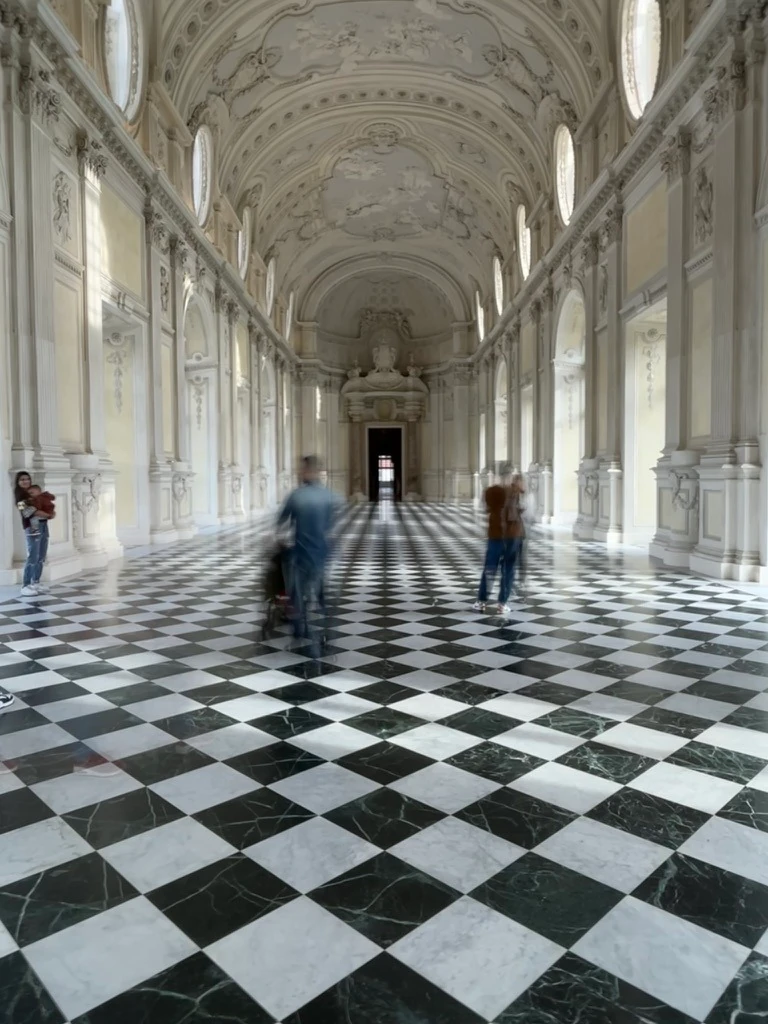
What to see in Venaria
The history of the Palace, its various vicissitudes, and its subsequent restoration are explained in the first part of the visit, so I’ll leave it to you to discover everything about this residence.
The palace houses impressive art collections that chronicle the House of Savoy’s history, alongside meticulously restored period furnishings that transport visitors to the height of royal living. Beyond the palace walls, the magnificent Gardens of Venaria extend over 60 hectares, featuring geometric French-style parterres, the Grand Parterre with its spectacular central fountain, romantic wooded areas, and contemporary installations that blend harmoniously with historic elements. As you wander through these spaces designed by renowned landscape architects, you’ll discover hidden grottoes, elegant terraces, and seasonal flower displays that change with the rhythm of nature, making each visit a unique experience regardless of when you explore this UNESCO World Heritage site.
My tips for the visit are, first of all, to go to the official website and check which temporary exhibitions are scheduled during your visit, or perhaps plan your visit based on the exhibition program. Also on the website, which is very well done and extremely comprehensive, you can find all the information regarding the garden and dining options, as well as information about the numerous events organized within the palace. Fun fact: in the gardens, you’ll also find an area dedicated to vegetable and fruit gardens, the Potager.
Stupinigi
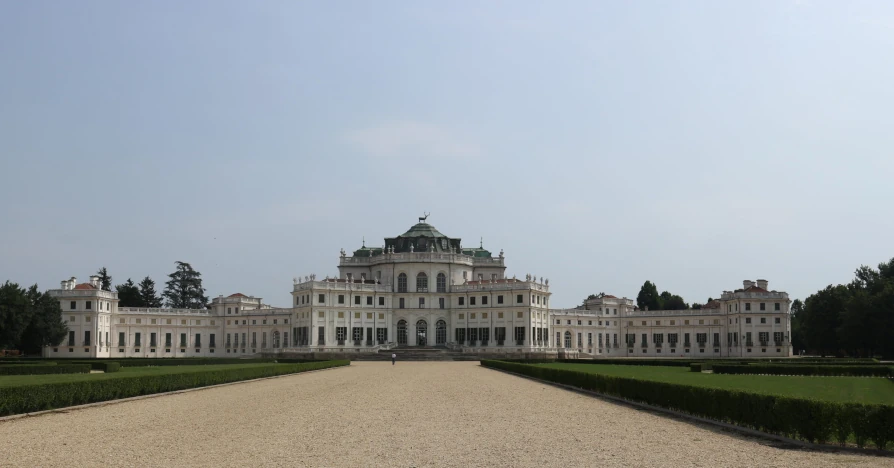
The Stupinigi hunting lodge is a Savoy residence dating back to 1729, the year its construction began based on a design by Filippo Juvarra, an architect who left his mark on numerous royal buildings in Turin, from the Palace of Venaria to Palazzo Madama.
How to get to Stupinigi
Stupinigi, located in Nichelino, can also be easily reached by car and by public transport from Porta Nuova station: there are various options, such as tram 4 + bus 41, which takes about an hour, or taking a regional train to Lingotto station and then bus 41. The full entrance fee is €12, but as in the previous case, it’s free with the Turin + Piedmont Card, and there are categories entitled to a reduced entrance fee (€8).
What to see in Stupinigi
In Stupinigi you can admire the elegant Baroque architecture, like the central oval salon crowned by the iconic bronze stag stands as the masterpiece of Filippo Juvarra’s design genius. Inside, lavishly decorated royal apartments showcase intricate rococo details, exquisite Chinese and Japanese lacquerwork, and a remarkable collection of period furniture that reveals the hunting lodge’s role as a prestigious Savoy residence. You’ll also find original 18th-century frescoes depicting hunting scenes and mythological themes, complemented by fine tapestries and delicate stuccowork that exemplify the craftsmanship of the era.
This residence also offers, in addition to a visit to its marvelous and opulent interiors, the opportunity to visit the beautiful park. Unlike the Palace of Venaria, it doesn’t usually offer temporary exhibitions or shows, but on the official website, you can find information about events organized inside the palace, such as Candlelight concerts.
Villa Della Regina
This splendid seventeenth-century villa is located in the picturesque Borgo Po district, in a panoramic position on the hill overlooking Turin.
How to get to Villa Della Regina
Reaching the Villa from the center of Turin is very simple by public transport as it is served by several bus lines: lines 53, 56, 66, stop 1421/1422 Villa Regina West; lines 13, 73, stop 480 Gran Madre Terminus; line Star2, stop 4106 Vittorio Veneto.
WARNING: On holidays, including the first Sundays of the month, reservation is mandatory. The way to make a reservation is to purchase a ticket online at www.museiitaliani.it or from the related APP.
What to see in Villa Della Regina
Villa della Regina was designed as a country residence for Cardinal Maurice of Savoy, who commissioned its construction, surrounding it with vineyards that still produce fine wine today. During the eighteenth century, the villa changed its purpose and became one of the residences of the Savoy queens, acquiring its current name. In particular, it was Anne Marie d’Orléans, wife of Victor Amadeus II, who chose it as her favorite home, transforming it into a symbol of elegance and refinement.
In addition to its aristocratic history, Villa della Regina impresses with its splendid Italian gardens, ornamental fountains, and panoramic terraces, which offer a breathtaking view of the city. Restored and open to the public, today the villa is an important testament to Savoy splendor and a charming place to visit to immerse yourself in the noble atmosphere of the past.
A curiosity about the Villa: outside, you can see the Queen’s Vineyard, Turin’s only urban vineyard.
Palazzo Madama and Royal Palace
The Royal Palace and Palazzo Madama are two architectural jewels located in the heart of Turin, in Piazza Castello. These historic buildings, once residences of the royal family, now host important museums and exhibitions.
What to see in Turin’s Royal Palace
The Royal Palace, with its luxurious rooms and royal gardens, offers an immersion in the history of the Savoy dynasty. The complete visit will take you from the royal apartments, where sumptuous furnishings and ornate gilded ceilings speak of aristocratic opulence, to the impressive armory housing one of Europe’s finest collections of ceremonial weapons and armor. Continue your journey through time in the remarkable collection of archaeological antiquities, where Egyptian treasures and classical sculptures reveal the Savoys’ passion for collecting.
You can also visit the Chapel of the Holy Shroud, reopened in 2018 after extensive restoration following a devastating fire, where Guarini’s dramatic spiral dome creates a mystical atmosphere befitting the sacred relic it once housed.
The royal gardens have undergone significant restoration work and are now freely accessible to Turin residents, their formal parterres and majestic fountains reclaiming their 17th-century glory. I like to take refuge here on summer days, finding a quiet bench in the shade of a centuries-old plane tree to read a book, the gentle splashing of fountains providing a soothing soundtrack as palace walls shield me from the city’s hustle and bustle—a secret haven where royal history and personal contemplation beautifully intertwine.
What to see in Palazzo Madama
A few steps from Piazza Castello, the beautiful Palazzo Madama is a fascinating example of fusion between different historical periods, combining medieval and baroque elements in a single structure.
The palace, which today houses the Civic Museum of Ancient Art, has a thousand-year history and has transformed over the centuries, first into a medieval fortress and then into a lavish noble residence. Its imposing structure tells this architectural evolution, with the back part still retaining the severe appearance of the medieval castle, while the baroque façade designed by architect Filippo Juvarra gives a sense of grandeur typical of the eighteenth century.
Inside the palace, one of the first masterpieces that captures visitors’ attention is Juvarra’s celebrated staircase, an impressive architectural work that, with its elegant curves and plays of light, represents one of the most extraordinary examples of Turin baroque.
The Civic Museum of Ancient Art, which occupies much of the palace, offers a rich collection ranging from the Roman era to the Renaissance, including works of great artistic and historical value. The museum’s rooms house frescoes, sculptures, ceramics, goldsmith’s work, and period furniture, offering a journey through the centuries of European and Piedmontese art. In addition to permanent works, Palazzo Madama often hosts temporary exhibitions of great importance, making it an essential stop for anyone passionate about history and culture.
Finally, you cannot visit Palazzo Madama without climbing the medieval tower, from which you can enjoy a spectacular view of all of Turin, up to the Alps. This place, a symbol of power and beauty, is an authentic treasure chest of history and art that deserves to be explored in every corner.
The entrance fee for the Royal Palace is 15 euros, while that for Palazzo Madama is 10 euros, with reductions available for students and seniors. Both palaces offer temporary exhibitions from painting to photography. For more information, I recommend visiting the official websites: Royal Palace and Palazzo Madama.
I hope that this guide will help you plan your visit of the best royal palaces to see in Turin, and that you’ll include them in your trip to this beautiful city. Make sure to also check out my guide to the vintage markets in the city, and my top recommendations for where to eat.
The GetYourGuide links and banners are affiliate links, of you use them I will earn a small commission.


Un commento
I commenti sono chiusi.